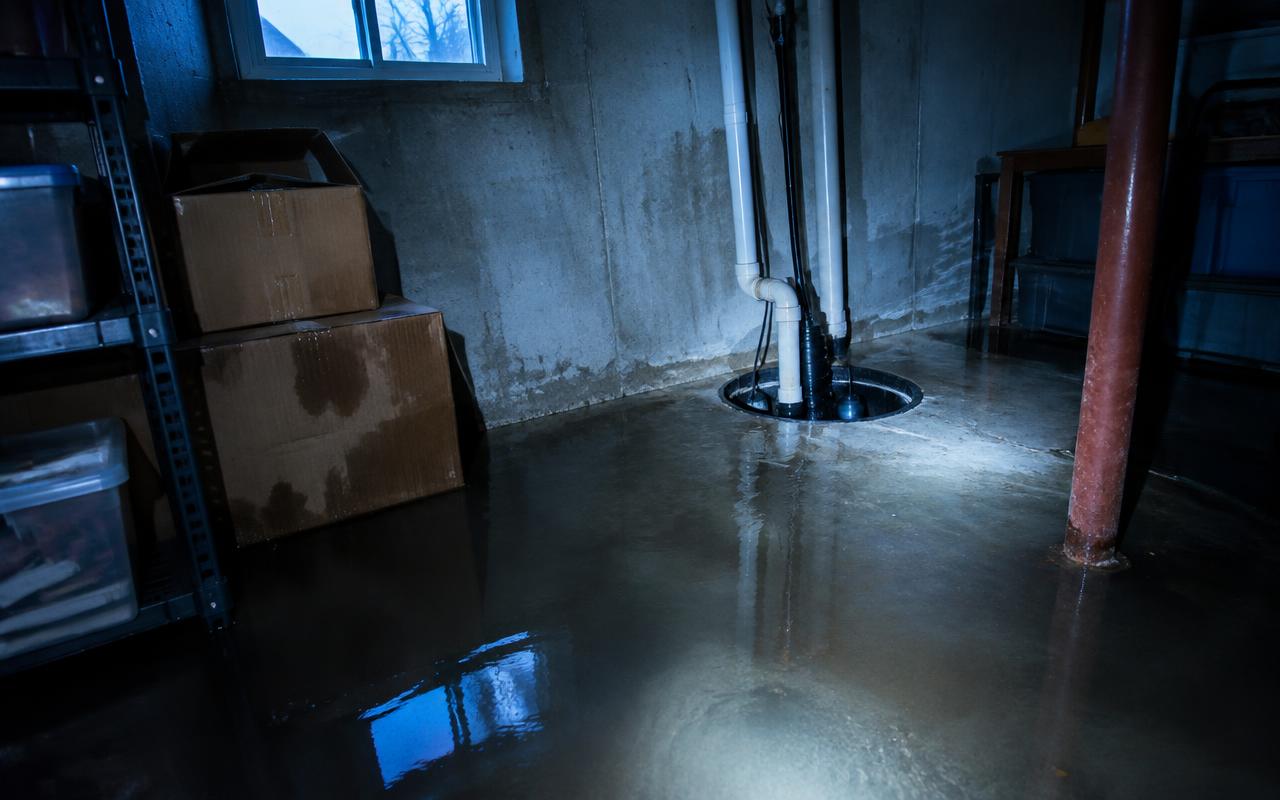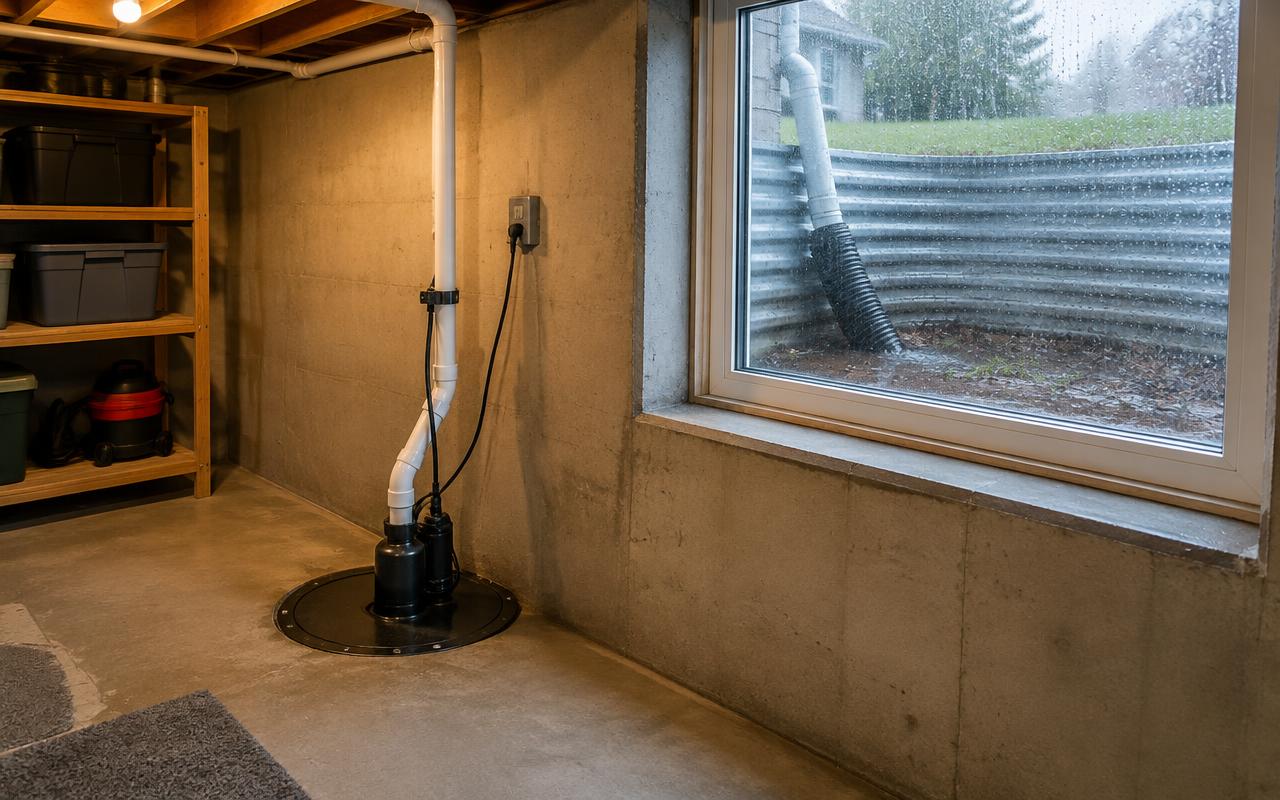
Mold After Flooding: The Hidden Moisture That Matters
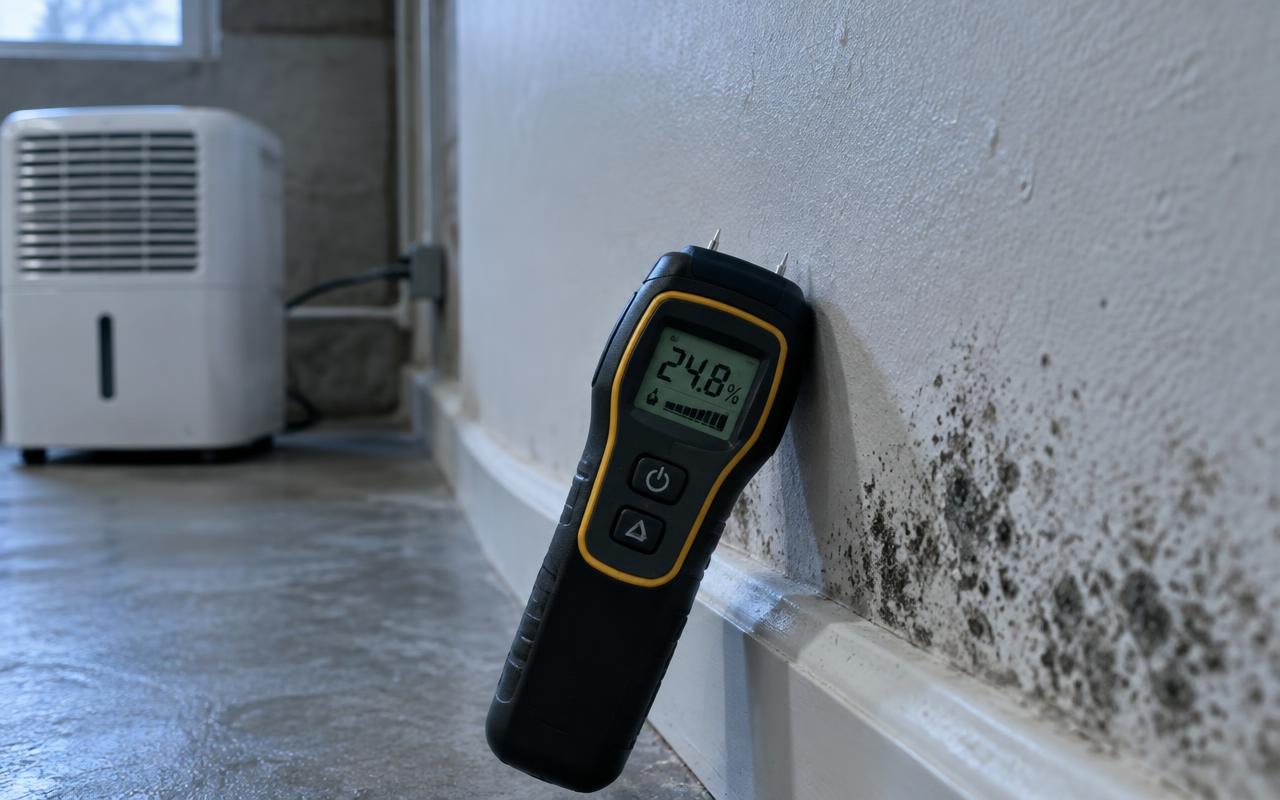
The floor feels dry, the fans are put away and the room looks normal again. So why does it still smell a little musty? This is one of the most common calls we get, and the answer is usually hiding inside the wall.
Dry to the Touch Is Not the Same as Dry
Drywall, insulation and subfloors hold moisture long after the surface feels fine. Mold can begin within 24 to 48 hours in the right conditions, and it does not need a visible puddle. It needs a damp cavity and time.
That is why we take moisture readings every day on a drying job instead of guessing. The numbers tell us when the structure is actually dry, not just when it looks dry.
Signs the Moisture Is Still There
A few things are worth paying attention to in the weeks after water damage.
- A musty smell that comes back when the room is closed up
- Baseboards that swell, warp or pull away from the wall
- Paint that bubbles or drywall that feels soft
- New spots or staining near the floor line
What a Proper Look Involves
A mold inspection starts with the moisture source, not the spots. We check readings in the wall and floor, find where the water traveled and only then talk about containment and removal. Most remediation jobs take one to five days depending on the size, and when the work area can be sealed off safely, you can usually stay in your home while we work.
If something smells off after a flood or leak, trust your nose. Send us an inspection request and we will check the moisture before it turns into a bigger project.